Explore Opportunities, Embrace Culture
Hefei, the capital of Anhui Province, is a vibrant city where ancient culture meets modern innovation. With a history dating back over 2,000 years, Hefei has evolved into a dynamic metropolis while preserving its rich heritage.
Known as the "City of Science and Education," Hefei is home to several prestigious universities and research institutions, including the University of Science and Technology of China. The city is also a major hub for high-tech industries, particularly in the fields of artificial intelligence, quantum computing, and new energy.
Hefei's strategic location in the Yangtze River Delta makes it an important transportation and logistics center. The city boasts beautiful natural scenery, with Chaohu Lake (one of China's five largest freshwater lakes) offering recreational opportunities just a short distance from the urban center.
Hefei has a history dating back to the Han Dynasty (206 BCE - 220 CE) and is known as the "Home of Lord Bao," a famous historical figure known for his justice and integrity.
Located in eastern China, Hefei sits on the southern bank of the Huai River and is surrounded by fertile plains. The city covers an area of 11,445 square kilometers.
Hefei has a population of over 10 million people (2024), making it one of the fastest-growing cities in China. The city's urban area is home to approximately 6.5 million residents.

Foreigners coming to Hefei for work or study will need to obtain the appropriate visa before arrival. Common visa types include work visas (Z visa), student visas (X visa), and business visas (M visa).
Within 24 hours of arrival, you must register your accommodation at the local police station. Your employer or school should assist you with this process.
Important documents to bring: passport, visa, employment contract or acceptance letter, health certificate, and any other relevant certificates.
Hefei Xinqiao International Airport (HFE) is located about 31 kilometers from the city center. It serves domestic and international flights, with connections to major cities in China and several international destinations.
China is a cashless society, and Hefei is no exception. Mobile payment apps are widely accepted everywhere from street vendors to high-end restaurants and department stores.
Foreign credit cards are accepted at major hotels, international brand stores, and some restaurants, but not as widely as mobile payments. It's advisable to carry some cash for small purchases.
Major international banks with branches in Hefei include Bank of China, Industrial and Commercial Bank of China (ICBC), China Construction Bank, and Agricultural Bank of China.
ATMs are widely available throughout the city, and most accept international cards (Visa, Mastercard). Be aware of potential fees for international withdrawals.
Hefei's subway system (Hefei Metro) currently has 5 operational lines, with more under construction. It's the fastest and most convenient way to travel around the city.
Buses are another affordable option, with an extensive network covering the entire city. Bus fares are typically ¥1-2 per ride.
Taxis are readily available and can be hailed on the street or booked through apps like Didi Chuxing. Make sure the taxi has a working meter or agree on a price before starting your journey.
Ride-hailing apps like Didi are very popular and often more convenient than traditional taxis. They support English and accept digital payments.
Shared bikes (Mobike, ofo) are widely available and offer a flexible way to get around, especially for short distances. Simply scan the QR code to unlock and pay through the app.
Hefei has several international schools catering to the expat community, offering curricula from the UK, US, Canada, and IB programs.
Some expat families choose to enroll their children in local Chinese schools to provide full immersion in the language and culture.
Bilingual schools offer a mix of Chinese and international curricula, providing a balance between local culture and global perspectives.
Hefei is home to several prestigious universities, including the University of Science and Technology of China, Hefei University of Technology, and Anhui University, which offer various international programs.
Foreign employees working in Hefei are required by law to participate in China's social insurance system, which includes pension, medical, unemployment, work-related injury, and maternity insurance.
Your employer will typically handle the registration process and deduct contributions from your salary. The total contribution rate is around 20-25% of your salary, with the employer paying the majority.
Many expats choose to purchase additional private health insurance to supplement the public system, providing access to international hospitals and English-speaking doctors.
Apartments are the most common housing option for expats in Hefei. You can choose from serviced apartments, luxury apartments, or more affordable options depending on your budget and needs.
Villas and townhouses are available in suburban areas for those seeking more space. These often come with gardens and parking facilities.
Gated communities with international schools nearby are popular among expat families, offering security and a sense of community.
Start your housing search online through platforms like 58.com, Anjuke, or by contacting local real estate agents. Many agencies have English-speaking staff to assist expats.
Rental contracts typically require a security deposit (usually 1-3 months' rent) and advance payment of 1-3 months' rent. Make sure to read the contract carefully and clarify any terms you don't understand.
A historical park featuring ruins from the Three Kingdoms period (220-280 CE), with ancient battlefields and cultural relics.
Lord Bao Park is a scenic area dedicated to Bao Zheng, a famous Song Dynasty official known for his integrity and justice.
A well-preserved ancient town with a history of over 2,500 years, featuring traditional architecture and canals.
A renowned local specialty featuring perfectly crispy, golden-brown skin that shatters at the touch, encasing incredibly tender, juicy meat with a delicate balance of savory and slightly sweet flavors. The dish is moderately seasoned, not overly salty, and surprisingly non-greasy despite its crispy exterior. Traditionally served with thin pancakes, sweet bean sauce, and sliced scallions for a complete sensory experience.
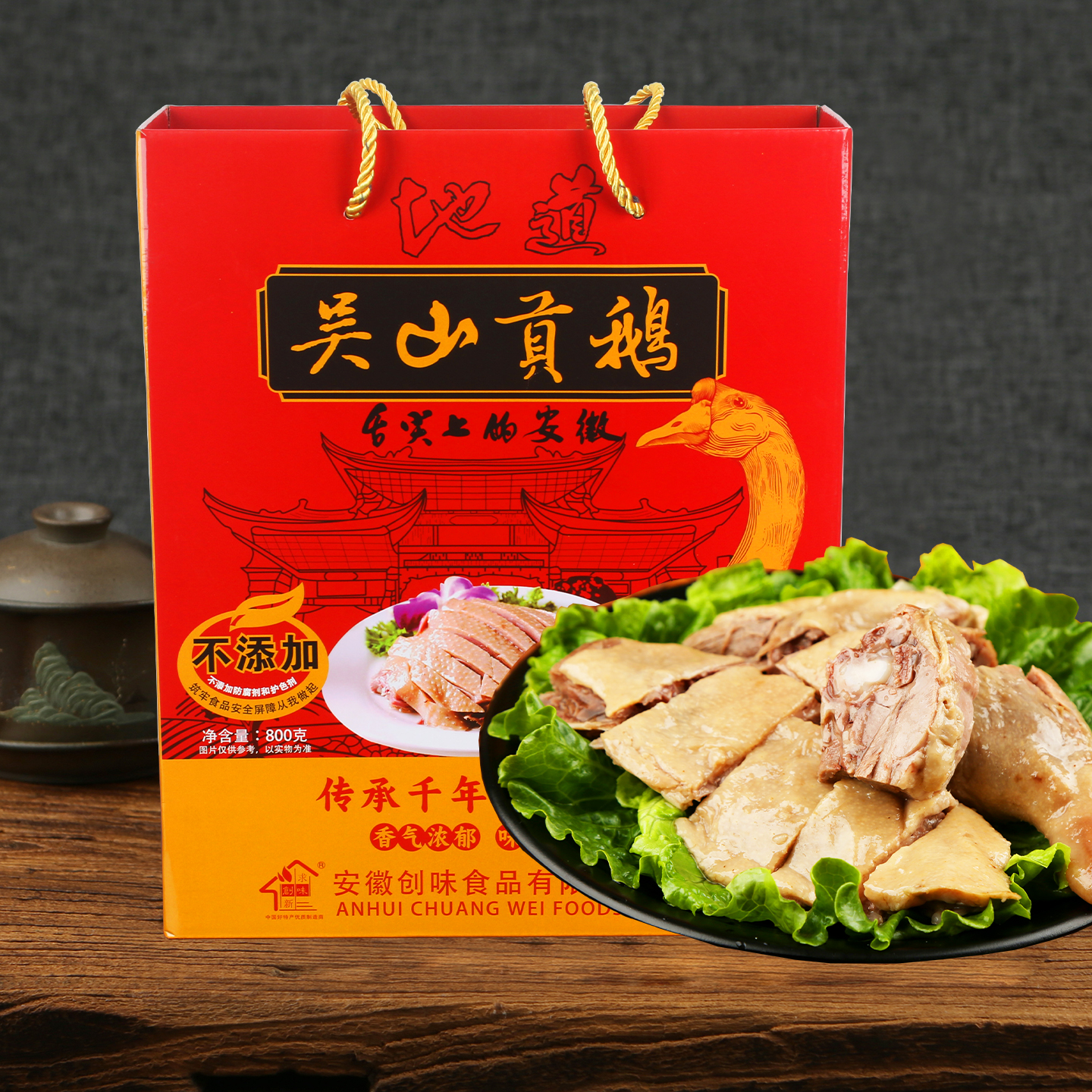
A imperial-era delicacy featuring geese raised in the Wu Mountains, resulting in exceptionally tender, succulent meat with a distinctively rich yet clean flavor profile. The goose is simmered in a masterful blend of aromatic spices and soy sauce, creating a perfect balance of savory and slightly sweet notes. The dish has a medium salt level and a silky, non-greasy texture that melts in your mouth, making it a true gourmet experience.
A luxurious one-pot feast named after the Qing Dynasty statesman Li Hongzhang, featuring an exquisite medley of premium ingredients including sea cucumber, abalone, shark fin, chicken, and various seafood. The broth is rich, savory, and deeply umami-forward with a subtle thickness that coats the palate. Despite its opulent nature, the dish maintains a balanced saltiness and surprisingly light mouthfeel, with each ingredient contributing its unique texture - from the tender bounce of sea cucumber to the delicate flakiness of abalone.
Delicate, silvery-white fish from Chaohu Lake, so translucent they appear almost glass-like. These tiny fish have an extremely tender, melt-in-your-mouth texture and a subtle, sweet flavor reminiscent of fresh water. When steamed, they maintain their delicate nature with a light, clean taste and minimal saltiness. When stir-fried with eggs, they create a harmonious blend of textures - silky, fluffy, and slightly crisp - with a mild, well-balanced seasoning that never overpowers the fish's natural essence.
A modern shopping mall with international brands, restaurants, and entertainment options.
A bustling pedestrian street with shops, street food, and historical landmarks.
A popular food street with a wide variety of local snacks and restaurants.
All-in-one social, payment & lifestyle app
WeChat is China's super app that combines messaging, social media, mobile payments, and countless mini-programs for everything from food delivery to ride-hailing. It's absolutely essential for daily life in Hefei.
Scan to download
Leading digital payment platform
Alipay is China's leading third-party mobile and online payment platform. It's widely accepted across Hefei for everything from supermarket purchases to utility bill payments and public transportation.
Scan to download
Official train ticket booking
The official app for China's high-speed railway system. Book train tickets, check schedules, and manage your trips across China, including from Hefei to major cities like Shanghai, Beijing, and Nanjing.
Scan to download
Hefei subway system app
The official app for Hefei's metro system. Plan your routes, check train schedules, calculate fares, and use mobile ticketing for all 5 metro lines in Hefei.
Scan to download
International airport services
Hefei Xinqiao International Airport is the main airport serving Hefei and Anhui Province. It offers domestic and international flights, with modern facilities and convenient transportation to the city center.
Recent Comments
I've been living in Hefei for 2 years now and absolutely love it! The city has a great balance of modern amenities and traditional culture. The people are friendly and welcoming, and there's always something new to explore.
As an expat working in the tech industry, Hefei has been a wonderful place to live. The cost of living is reasonable compared to other major Chinese cities, and the international community is growing. The food scene is amazing too!
My family and I moved to Hefei last year, and we've been very happy here. The international school options are good, and there are plenty of parks and outdoor activities for the kids. The public transportation system is efficient and easy to use.